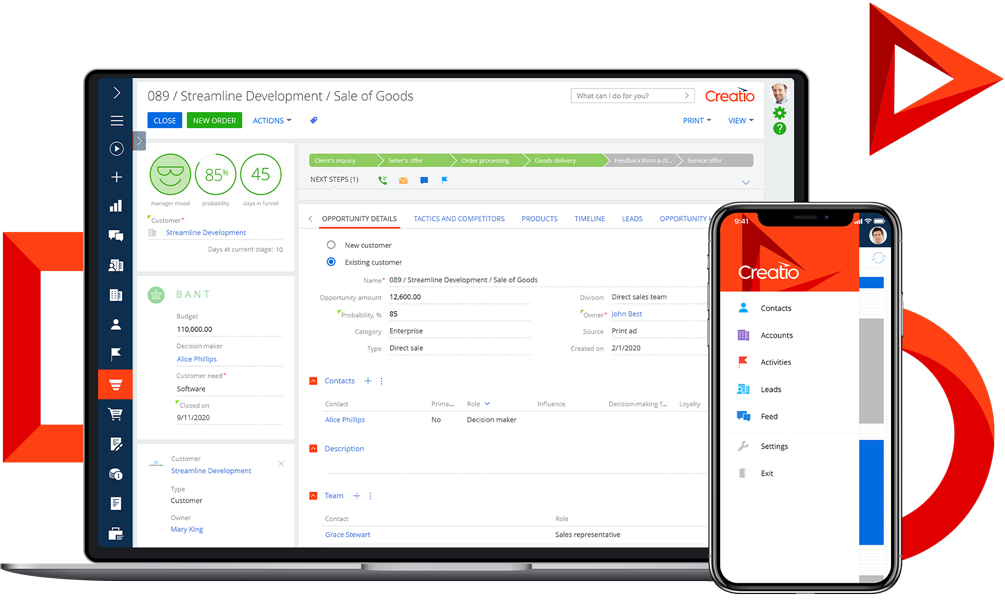
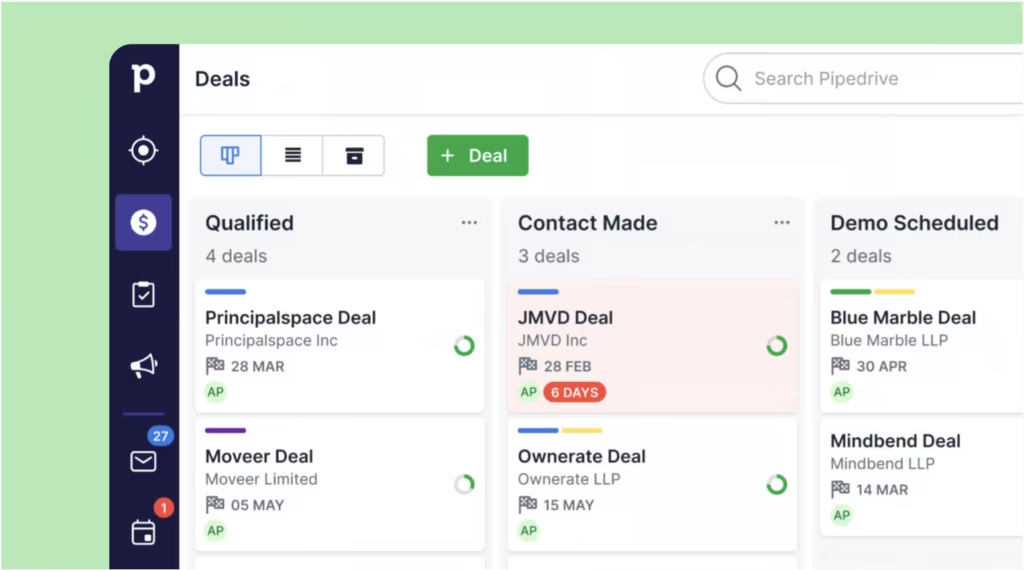
System integration ensures all the software your business depends on works together efficiently. By streamlining manual processes, reducing data duplication, and connecting information across systems, a tailored integration solution can boost productivity and drive business growth.
Restful API
Many off-the-shelf business platforms such as Xero, Salesforce, and Sage—including ERP and MRP systems—offer REST APIs that enable developers to access their data and functionality.
SOAP API
SOAP (Simple Object Access Protocol) is an application programming interface commonly used by legacy systems. While many organisations continue to rely on older platforms for valid operational reasons.
Email monitoring
You may not have thought about how email can be used as a system integration. We’ve developed systems that monitor inboxes and automate the processing of emails from one system to another.
Folder monitoring
It’s common for businesses to rely on structured folder systems within shared drives. Our system integration engineers can transform these established workflows into automated.
For businesses, system integration provides a wide range of strategic advantages, making it essential to implement it correctly from the outset. When systems are properly connected, organisations benefit from improved data accuracy, streamlined processes, reduced operational costs, and enhanced visibility across all areas of the business.
Our system integration analysts work closely with you to design a clear, structured, and scalable integration plan tailored to your specific requirements. We ensure every connection between your systems is carefully mapped and optimised, allowing you to fully maximise efficiency, unlock the true value of your data, and support long-term business growth.
We begin by understanding your business goals, system requirements, and how your team works. Your ideas are shaped into a clear structure and technical plan. A strong planning stage helps reduce delays and avoids changes later in development.
We design the system layout and start development based on the approved plan. Every module is built with clear flow and structured logic so the system works in a simple and organized way for daily use.
After development is complete, the system goes through testing for performance, speed, and device compatibility. Once everything is checked, it is deployed for use with stable performance and proper functionality across all required environments.
What Is Included in Our System Integration Development
Our CRM and ERP development work is built to support business operations and improve how information flows across your company.
1.Unified Digital Ecosystem
We don’t just “link” apps; we synchronize them. This includes:
API Management: Developing custom APIs or using existing ones to allow different software (like a CRM and an ERP) to “talk” to each other in real-time.
Third-Party Integration: Connecting your core systems with popular external tools like Slack, Shopify, Stripe, or Microsoft 365.
2. Data Flow & Automation
Two-Way Synchronization: Ensuring that if a customer’s address is updated in your mobile app, it is instantly updated in your billing and shipping software.
Workflow Automation: Removing manual “copy-paste” tasks. For example, automatically generating an invoice in your accounting software the moment a project is marked “Complete” in your PM tool.
Why Choose Us
Your Trusted Software Developers.
Global scale
With experts across four continents, we deliver global solutions to drive and scale your digital transformation.
Product mindset
We deliver outcomes, not just outputs, aligning product development with your business and customer goals.
Security implementation
Security is at our core. We meet stringent regulatory demands across industries like healthcare, finance, and more.
Point-to-Point (P2P) is a direct connection between two pieces of software. While simple for two apps, it becomes a “spaghetti mess” as you add more. Middleware (like an Enterprise Service Bus or iPaaS) acts as a central hub.
Why it matters: Middleware is easier to manage, more scalable, and prevents a “domino effect” where one system update breaks every other connection in your company.
A professional integration is designed to have zero to minimal impact on live operations.
The Sandbox Method: We build and test the entire integration in a “clone” environment first.
Phased Cutover: We move data in small batches rather than all at once. If an error occurs, it affects a tiny fraction of data that can be easily rolled back without stopping your daily work.